Video di un guidatore in difficoltà in un parco nazionale iconico fa infuriare gli utenti dei social: 'Dovrebbero essere multati'
L'Incidente Virale del SUV Bloccato
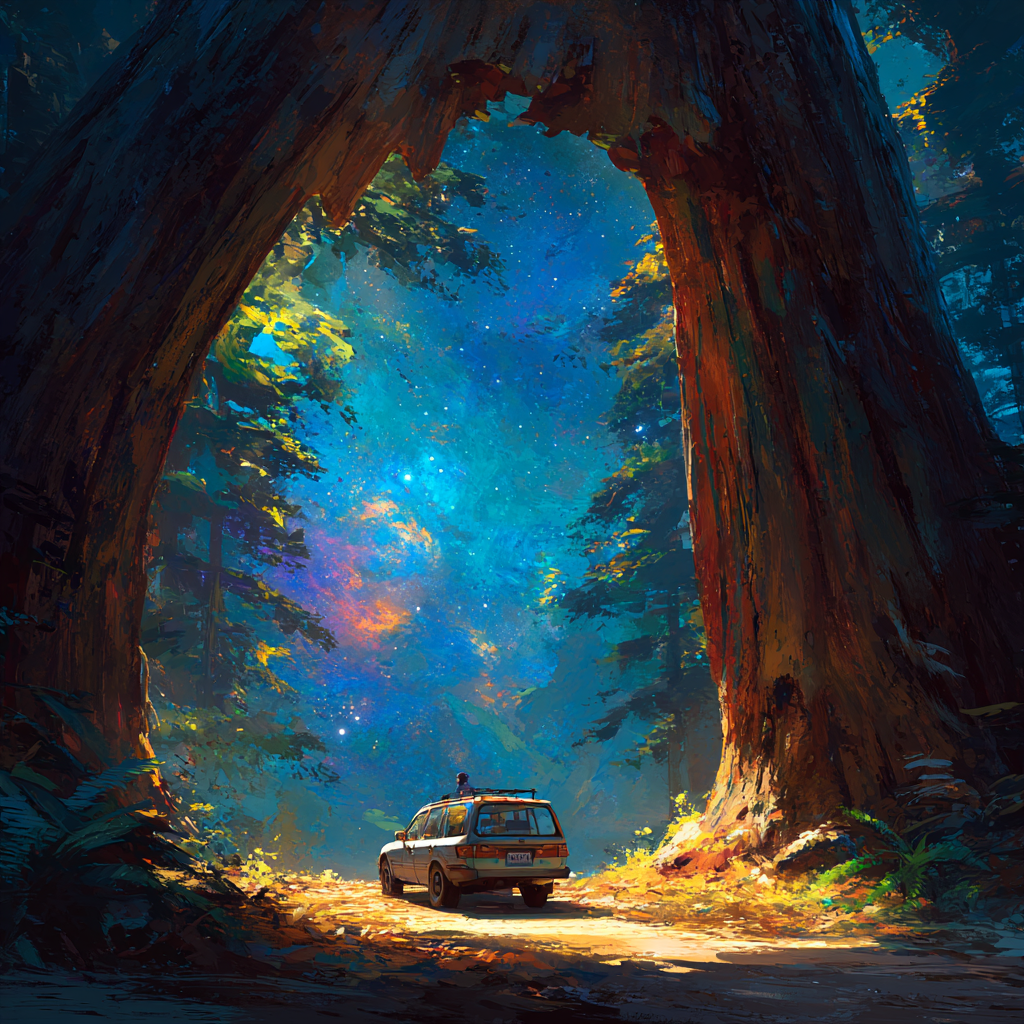
Un video tremolante da smartphone, ripreso nelle maestose foreste di sequoie della California del Nord, è diventato virale, catturando il tentativo lentissimo di un SUV Nissan Armada di attraversare lo Shrine Drive-Thru Tree. Il filmato mostra il grande veicolo che sfrega contro l'interno dell'antica sequoia, con le manovre esitanti del guidatore udibili sopra lo sforzo del motore, scatenando immediatamente un putiferio online.
Ripreso da un altro turista, il filmato evidenzia l'evidente incertezza del guidatore mentre avanza a centimetro, con lo specchietto laterale dell'auto che entra in contatto con la corteccia dell'albero. Questo momento di conflitto tra veicolo e botanica non è stato solo un piccolo incidente turistico: è diventato un punto focale per frustrazioni culturali più ampie. Il video si è diffuso come un incendio su TikTok e Twitter, trasformando un errore di guida personale in uno spettacolo pubblico che ha messo in discussione tutto, dal design dei veicoli all'etichetta turistica negli spazi naturali protetti.
Anatomia di un ingorgo in un albero
Analizzando il filmato, è chiaro che il guidatore non è riuscito ad allineare correttamente l'Armada all'interno del tunnel largo 7 piedi. Invece di centrare il veicolo, si è avvicinato troppo a un lato, causando il rumore di sfregamento che indica danni sia all'auto che all'albero. I testimoni hanno riferito che il guidatore alla fine ha applaudito per il sollievo all'uscita, ma il danno digitale era già fatto, con il video che fungeva da Prova A nel tribunale dell'opinione pubblica.
Analisi dei numeri: l'SUV sarebbe entrato davvero?
Sulla carta, la Nissan Armada avrebbe dovuto passare attraverso lo Shrine Drive-Thru Tree senza problemi. L'apertura dell'albero è costantemente riportata come larga e alta 7 piedi, mentre la larghezza dell'Armada, compresi gli specchietti, misura circa 6,5 piedi. Ciò lascia un margine teorico di 6 pollici su ciascun lato: uno spazio stretto ma gestibile per un guidatore sicuro che conosce le dimensioni del proprio veicolo.
Il problema non era la fisica; era la psicologia e l'abilità. Guidare attraverso un albero vivente, vecchio di millenni, richiede precisione e consapevolezza spaziale che evidentemente al guidatore mancavano. Come ha notato Jim Allmon, proprietario dello Shrine Drive-Thru Tree Auto Park, la maggior parte dei danni avviene agli specchietti laterali, e i visitatori in genere accettano la colpa, spesso chiedendo del nastro adesivo piuttosto che lamentarsi. Questo incidente sottolinea una semplice verità: i cartelli che indicano le dimensioni sono inutili se i guidatori non li rispettano o non conoscono le dimensioni del proprio veicolo.
I social media esplodono in un'indignazione collettiva
La risposta di internet è stata rapida e severa. Piattaforme come Twitter e Reddit si sono riempite di commenti che esprimevano rabbia non solo per il guidatore, ma per le tendenze sociali che rappresentava. Un tweet virale recitava: "Dovrebbero essere multati per aver danneggiato un monumento naturale", catturando il sentimento di molti che vedevano l'atto come irrispettoso. Altri hanno usato il momento per criticare la cultura automobilistica, con post come: "Forse il non riuscire a passare attraverso un enorme albero renderà le persone consapevoli che le auto stanno diventando troppo grandi".
Questa reazione negativa evidenzia una crescente stanchezza pubblica per l'intrusione di veicoli sovradimensionati in ecosistemi delicati. Il video è diventato un test di Rorschach per ansie più ampie: preoccupazione ambientale, sovraffollamento turistico e un percepito declino del buon senso. Per molti, la vista di un SUV da 6.000 libbre incastrato in un albero antico simboleggiava un profondo distacco tra la comodità moderna e la preservazione naturale.
La richiesta di responsabilità e multe
Tra l'indignazione, è emerso un tema costante: la richiesta di sanzioni finanziarie. I commentatori sostenevano che le multe potrebbero scoraggiare comportamenti simili e finanziare gli sforzi di conservazione per questi alberi iconici. Sebbene in questo caso non sia stata riportata alcuna multa ufficiale, l'appetito del pubblico per la responsabilità riflette un cambiamento verso la visione di tali attrazioni naturali non solo come opportunità fotografiche, ma come patrimonio protetto che richiede una gestione attiva.
Lo Shrine Drive-Thru Tree: una reliquia vivente con una storia
Per capire la rabbia, bisogna apprezzare il significato dello Shrine Drive-Thru Tree stesso. Questa sequoia costiera, situata a Myers Flat lungo l'Avenue of the Giants, è un albero camino scavato da un incendio secoli fa, probabilmente da un fulmine. Risparmiata dai boscaioli per il suo basso valore commerciale, è stata allargata negli anni '20 per accogliere le Ford Model T, diventando una delle attrazioni turistiche originali della California.
Oggi, rimane una testimonianza sia della resilienza naturale che della curiosità umana. Alta 175 piedi ma con un tronco largo solo 17,25 piedi, è più fragile di quanto appaia, sostenuta da cavi metallici installati negli anni '40 per prevenirne l'inclinazione. L'albero fa parte di un piccolo gruppo di sequoie attraversabili in auto, tra cui il più spazioso Chandelier Tree, ma il suo tunnel compatto offre un'esperienza unica, seppur impegnativa, che ha deliziato i turisti per generazioni.
Il dibattito più ampio: veicoli, turismo e spazi naturali
Questo incidente tocca una conversazione accesa sulle dimensioni sempre crescenti dei veicoli di consumo e la loro compatibilità con i siti turistici storici. Le auto e gli SUV americani sono diventati significativamente più larghi negli ultimi decenni, con modelli come l'Armada che rappresentano un passaggio verso trasporti più ingombranti. Quando questi veicoli incontrano attrazioni strette e secolari progettate per auto più piccole, i conflitti sono inevitabili.
Oltre alle dimensioni, c'è una dimensione etica. Gli spazi naturali come le foreste di sequoie sono protetti per il loro valore ecologico, e guidare attraverso un albero vivente – sebbene sia una tradizione amata – solleva interrogativi sull'impatto. Ogni graffio potenzialmente danneggia la corteccia dell'albero, vitale per la sua salute. Con la ripresa del turismo post-pandemia, bilanciare l'accesso con la preservazione diventa cruciale, costringendo gestori dei parchi e visitatori a ripensare a come appare una ricreazione responsabile.
Alternative e consapevolezza
Per chi ha veicoli più grandi, esistono opzioni. Il Chandelier Tree a Leggett ha un tunnel più alto e largo, e molti parchi offrono alternative pedonali come le sequoie California e Dead Giant. La chiave è la ricerca e l'umiltà: controllare le dimensioni online, osservare altri guidatori e sapere quando rinunciare. Soluzioni innovative, come tour di realtà virtuale o una segnaletica migliorata con valutazioni in tempo reale delle dimensioni, potrebbero aiutare a colmare il divario tra avventura e conservazione.
Andare avanti: innovazione nel turismo responsabile
Il video virale, sebbene irritante, funge da catalizzatore per un cambiamento positivo. Immaginate un futuro in cui strumenti digitali, come app di realtà aumentata, sovrappongono le dimensioni del veicolo alle riprese della fotocamera in diretta in tali siti, aiutando i guidatori a valutare l'ingombro prima di tentare il passaggio. I parchi potrebbero implementare prezzi dinamici o fasce orarie per ridurre la congestione, o addirittura creare programmi educativi che trasformino questi momenti in opportunità didattiche sull'ecologia delle sequoie.
In definitiva, questa storia non riguarda solo l'errore di un guidatore: riguarda la nostra relazione collettiva con la natura nell'era dei social media. Incanalando l'indignazione in innovazione, possiamo favorire un modello di turismo che celebri questi spazi iconici senza comprometterne l'integrità. La prossima volta che qualcuno si avvicinerà allo Shrine Drive-Thru Tree, forse ricorderà questo video non con rabbia, ma con un rinnovato rispetto per il delicato equilibrio tra curiosità umana e meraviglie antiche.