Instagram Bawa Video Vertikal ke TV
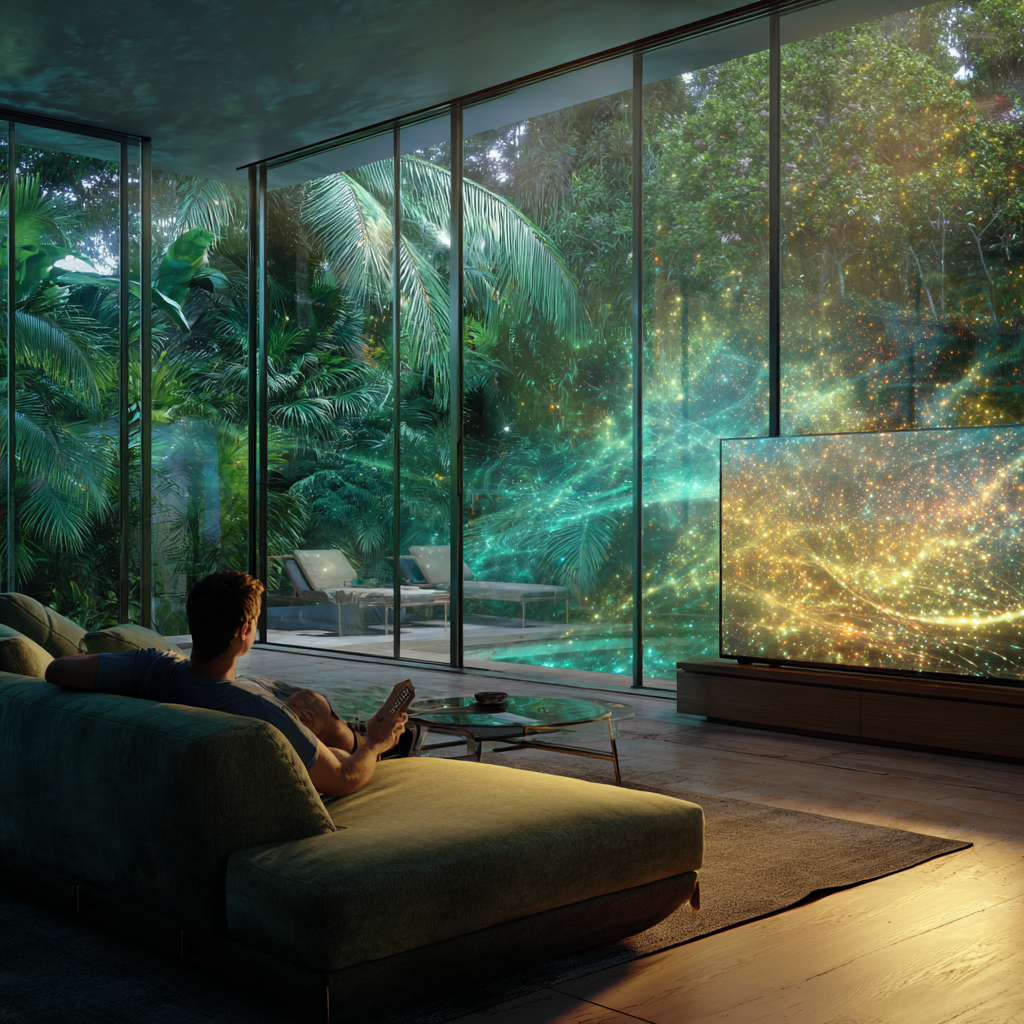
Pengumuman: Instagram Melompat ke Ruang Keluarga
Instagram dari Meta secara resmi melangkah ke panggung televisi dengan peluncuran Instagram untuk TV, sebuah aplikasi khusus yang kini tersedia di perangkat Amazon Fire TV di AS sebagai bagian dari program percontohan.
Langkah ini menandakan ekspansi berani di luar perangkat seluler, yang berfokus pada Reels—video pendek format vertikal yang telah menjadi mesin pertumbuhan Instagram. Meta mengutip perilaku pengguna yang sudah memantulkan ponsel ke TV untuk tontonan bersama, menjadikan aplikasi ini langkah logis untuk menyederhanakan dan meningkatkan pengalaman tersebut. Dengan Reels yang dilaporkan mendorong keterlibatan pengguna yang signifikan, membawanya ke ruang keluarga bertujuan untuk menangkap rentang perhatian baru dan menumbuhkan momen hiburan bersama.
Di Dalam Aplikasi: Cara Kerja Instagram untuk TV
Menjelajahi Instagram di TV memperkenalkan antarmuka baru yang disesuaikan untuk kontrol jarak jauh. Layar beranda menampilkan Reels yang diatur ke dalam "saluran" tematik—seperti musik, olahraga, atau perjalanan—memungkinkan pengguna berselancar konten berdasarkan minat. Rekomendasi yang dipersonalisasi berdasarkan akun Anda dan video populer di antara teman-teman tetap menjadi pusat perhatian, memastikan umpan yang dikurasi.
Aplikasi ini mendukung hingga lima akun, sehingga semua orang di rumah dapat memiliki pengalaman yang dipersonalisasi sendiri. Anda dapat mencari pembuat konten atau topik tertentu, menyukai video, dan melihat komentar serta reaksi. Berbeda dengan aplikasi seluler, video diberi kotak surat (letterboxed) agar pas dengan layar horizontal, dengan panel samping yang menunjukkan deskripsi, suka, dan bagikan. Desain ini berusaha menjembatani kesenjangan antara konten seluler vertikal dan tontonan TV tradisional.
Fitur Utama Sekilas
Saluran untuk Penemuan: Reels dikelompokkan berdasarkan topik, memudahkan untuk menyelami ceruk tertentu. Dukungan Multi-Akun: Beralih antar profil untuk konten yang disesuaikan. Pencarian dan Keterlibatan: Temukan pembuat konten dan berinteraksi dengan video langsung dari sofa Anda. Meta berencana menambahkan fitur seperti ponsel-sebagai-pengontrol jarak jauh dan umpan bersama berdasarkan umpan balik pengguna.
Video Vertikal di Layar Horizontal: Tantangan Desain
Mengadaptasi Reels vertikal untuk TV layar lebar tidak mulus—ini memerlukan kotak surat kreatif di mana bilah hitam atau panel samping informasi mengisi ruang kosong. Pendekatan ini mempertahankan rasio aspek asli tetapi memunculkan pertanyaan tentang daya tarik visual di layar yang lebih besar.
Para pembuat konten khususnya khawatir tentang resolusi. Sebagian besar Reels diputar pada 1080x1920 piksel, yang mungkin terlihat tajam di ponsel tetapi bisa tampak berpiksel di TV 50 inci. Pengaturan "Unggah dengan kualitas tertinggi" Instagram saat ini membantu, tetapi jika adopsi TV meningkat, tekanan mungkin muncul untuk dukungan resolusi yang lebih tinggi. Selain itu, format vertikal terasa secara inheren bertentangan dengan orientasi horizontal TV, memicu perdebatan tentang apakah Instagram mungkin akhirnya merangkul format yang bervariasi untuk media baru ini.
Apa Artinya Ini bagi Pembuat Konten
Bagi pembuat konten, Instagram untuk TV membuka arena baru untuk menjangkau audiens. Video kini dapat melibatkan pemirsa dalam suasana santai dan bersama, berpotensi meningkatkan waktu tonton dan eksposur di luar lingkungan seluler yang cepat-scroll. Namun, ini juga menuntut pertimbangan ulang strategi konten.
Kualitas visual menjadi yang terpenting, karena kekurangan diperbesar di layar besar. Pembuat konten mungkin perlu mengoptimalkan video untuk seluler dan TV, fokus pada kejelasan dan komposisi. Selain itu, dengan dominasi Reels, para fotografer bertanya-tanya apakah Instagram akan pernah membawa foto statis ke TV, mirip dengan tampilan seni digital. Ekspansi ini dapat mendorong lebih banyak produksi video, tetapi juga mendorong inovasi dalam cara konten dibuat untuk platform ganda.
Gambaran Besar: Bersaing di Ruang Keluarga
Langkah Instagram ke TV menempatkannya dalam persaingan langsung dengan TikTok dan YouTube Shorts, keduanya raksasa dalam video pendek. Sementara TikTok tidak memiliki aplikasi TV khusus dan YouTube Shorts diuntungkan dari kehadiran YouTube yang sudah ada di TV, integrasi Instagram dengan Fire TV menawarkan pijakan yang unik.
Data pasar menggarisbawahi tantangan: survei menunjukkan 81% video pendek dikonsumsi di ponsel pintar, dengan hanya 2% melalui pemantulan TV. Namun, dengan TikTok dan YouTube Shorts yang secara kolektif memiliki miliaran pengguna, ruang keluarga mewakili perbatasan yang belum dimanfaatkan. Pendekatan berbasis saluran Instagram dapat membedakannya dengan menawarkan tontonan yang terorganisir dan digerakkan oleh tema, bukan umpan algoritmik tanpa akhir, menarik bagi mereka yang mencari sesi hiburan yang dikurasi.
Adopsi Pengguna dan Masa Depan TV Sosial
Kesuksesan Instagram untuk TV bergantung pada apakah pengguna menerima menyalakan TV mereka untuk video singkat. Pengalaman bergeser dari menggesek yang intuitif ke navigasi jarak jauh, yang mungkin terasa kaku pada awalnya. Namun, Meta bertaruh pada tontonan sosial—menonton Reels dengan teman atau keluarga dapat mengubah scrolling kasual menjadi aktivitas bersama.
Ke depan, harapkan ekspansi ke platform TV dan negara lain, ditambah fitur yang ditingkatkan seperti integrasi yang lebih baik dengan ekosistem Instagram. Percontohan ini dapat membuka jalan bagi lebih banyak aplikasi sosial di TV, mengaburkan batas antara hiburan seluler dan ruang keluarga. Pada akhirnya, usaha Instagram bukan hanya tentang video vertikal di TV; ini tentang mendefinisikan ulang bagaimana kita terhubung dan mengonsumsi konten di ruang bersama, mendorong media sosial ke dimensi baru yang imersif.